web analytics

Author: brian

  • a few quick recommendations of 2014 albums

    I don’t have much to say about music from 2014 yet beyond “Here are some albums I’ve listened to a couple times that are definitely good”. I’ve been short on music-listening time this year: there’s been my mom’s cancer and my revival of my teenage fascination with the TV show Doctor Who, plus various temporary issues. That’s why I’m still far from done with my Best-of-2013 review countdown, even. But in case you’re curious, here are some 2014 albums I’m happy with, along with sketchy, tentative descriptions:

    Bastards of Fate, Vampires are Real and PalpableLoud, woozy, strange, carnivalesque, racing from one idea to another, and prone to explosions — all with crooned melodic vocals.

    Jon Langford & Skull Orchard, Here Be Monsters. Americana from the former leader of the Mekons: lyrically smart, politically charged, with arrangement ideas (especially percussion) that are just a little bit off.

    Laibach, Spectre. Slightly-poppy industrial dance from Slovenian pranksters who’ve made a long career of toying with fascist imagery (for example, the minor tinkering needed to turn Queen’s “One Vision” into a Nazi rallying call), but finally decided this year to explicitly sing as their leftist selves — which, it turns out, works just fine, and infuses them with new energy.

    Muuy Biien, D.Y.I. An abrasive, churning, hostile splatter of echoey 2-minute punk-rock songs, more spoken/yelled than sung, that’s very well-played for what it is and ends up striking me as lots of fun. The surf-rock influence helps.

    Neneh Cherry, Blank Project. Sensual, minimalist R & B. The most aggressive songs sound to me like sparer feminine takes on Kanye’s Yeezus, while the rest put almost all the emphasis and power onto her jazz-and-hip-hop-influenced crooning.

    Reconaissance Fly, Flower Futures. Arty avant-cabaret with strange melodic progressions and tuning and playfully weird lyrics (reminding me of Slapp Happy, if their songs had gotten longer instead of shorter as they got weirder). Extremely well-sung, although willfully distant.

    Sage Francis, Copper Gone. My favorite album of 2014 so far is dense, energetic hip-hop full of leftist politics, personal reflections and recriminations, complicated wordplay, and cultural-allusion mixmastering that often pays off in oddball insight.

    Seeming, Madness & Extinction. Or, my favorite album of 2014 so far is a lavishly beautiful, massively layered goth-pop album about, yes, madness and (human) extinction. Not normally my kind of thing; it’s just so well done.

    St. Vincent, S/T. Another layered, dark pop album, helmed by the solemn vocals and twisted King Crimson-ish guitar work of Annie Clark. This is St. Vincent’s slickest and most accessible record: “dance music for funerals” is I think how she described its intent.

    Stars in Battledress, In Droplet Form. A very English, precisely composed, good-natured keyboard-pop record with influences baroque, Kid A-ish, quirk-poppy, and Stereolabby.

    Stephen Malkmus, Wig Out at Jagbag’s. Guitar-heroics indie-pop of a laid-back nature, as if the Allman Brothers had been geeky university Northerners instead of not like that at all.

    Tori Amos, Unrepentant Geraldines. At least musically, it would be very easy to believe this was a long-lost predecessor to Little Earthquakes: piano-centric, direct, easy-access. I’ll probably decide it’s great once I give it the attention it deserves; for now I’m annoyed that all the reviews are so ecstatic that this isn’t like the Beekeeper or Abnormally Attracted to Sin, both of which I think are wonderful, wonderful records. But even though right now I find it an unwanted corrective and haven’t listened very well, I can tell it’s no worse than good.

    TunaBunny, Kingdom Technology. A very strange amalgam of vocal-harmony-driven rock’n’roll, drone/ambient, and Fall/Wire-ish post-punk.

    White Hinterland, Baby. Jazzy, soulful minor-key piano-pop songs with nifty experimental edges.

    Wovenhand, Refractory Obdurate. Dark, dry, gothy minor-key post-punk guitar-rock that reminds me of early Echo & the Bunnymen, Chairs Missing/ 154-era Wire, and the Chameleons.
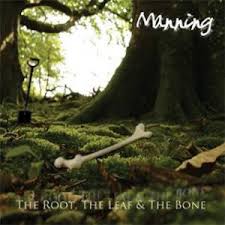
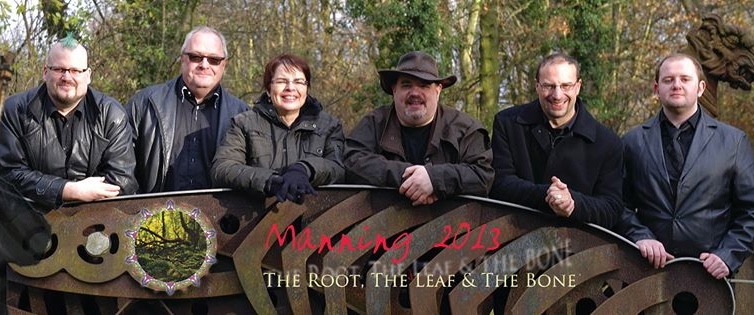
  • #24 album of 2013 – the Root, the Leaf & the Bone by Manning

    #24 album of 2013 – the Root, the Leaf & the Bone by Manning

    Artist: Manning

    Album: the Root, the Leaf, and the Bone

    Manning, the band led by songwriter/ singer/ many-instrumentalist Guy Manning, play long, evolving, mostly very pretty songs notable for (1) Guy Manning’s Ian Anderson (Jethro Tull)-like voice and melodies and (2) lots of opportunities for different instruments (flute, Manning_Root_Leaf_Boneclarinet, sax, piano, rock organ, violin) to get little show-off moments. The Root, the Leaf, and the Bone is only the second of their albums I’ve heard, meaning I was startled to discover it’s their 13th record of original songs since 1999. I like it a fair bit better than 2004’s (good) a Matter of Life and Death, but all I can say of the Root, the Leaf, and the Bone‘s place in the Manning discography is that their 2004 and 2013 incarnations are quite obviously the same band, in a way that some 9-year separations of Cure or Rush or Radiohead albums might not be.

    I’m dodging the words “progressive rock” because surely that term means “music that makes my wife say ‘Please turn that off’”, and Manning don’t annoy her. Guy’s handsome voice is a scruffy, manly British baritone; the songs are mostly in 4/4; the solos don’t show off *that* much; and the lyrics make sense. The one radio-length song here, Decon(struction) Blues, is as catchy, rocking, and flute-driven as any of Jethro Tull’s Classic Rock hits, and the longer tracks fill out their Tull melodic frames with the pleasant stateliness recalling early, Peter Gabriel-led Genesis. I learned of this new Manning album from ProgArchives, though, and its title track is 12 minutes of heavy segmentation; it’s one thing for me to argue that they deserve a fair chance from skeptics, but there’s no point in denial. It’s a classic-rock friendly, and pastoral-folk friendly, version, that’s all.

    I’ll focus on the lovely Autumn Song as my example of how Manning operate. Lyrically it’s about the season when plants, still vibrant, prepare for a season of bleakness and sleep: “The meadow blooms are waning, the hedge rows limply thin/ displaying the empty nests, where the birds were held within/ How easy for time to slip away”. Implicitly, it’s also about death, but “Don’t get depressed too soon/ we all are alive and in tune/ remember this is just an Autumn Song”.

    * It begins with two verses of a simple, thoughtful piano ballad, soon accented with saxophone, then joined by shimmering, oscillating high synthesizer, then too by a flute on the chorus as the drum-beat starts pushing it along.

    * Two more ballad verses are centered on that flute and sax (oboe? clarinet? the tone feels in-between to me). The second chorus ends on a slightly unnerving note, and a drum-and-several-woodwind instrumental slips towards dark carnival territory.

    * A multi-vocal bridge, with sax in smooth-jazz mode, brings the tone from questioning back towards confident.

    * Two more verses, louder than before, center on piano and swiftly-picked mandolin. Now the chorus remixes different instrumental tones from before; it re-uses the odd-note ending but moves straight into a confident re-use of the vocal bridge.

    * The song’s final minute, of seven, is instrumental, pretty, and reflective, with Guy crooning absently a couple of times: you don’t expect a sudden blooming of new ideas as a song about autumn flows towards winter, but there’s still time to wander around noticing nifty features.

    The Forge starts out with a harsh anvil percussiveness, and more forceful organ, but on the whole it’s still gentle, alternately jazzy and full of Manning @ Int'l Prog Rock Showrousing group vocals. It celebrates how “the bellows and furnace dance in furious harmony/ wind and flame on a bed of earth in elemental symmetry”, more than it mourns their replacement by assembly line and time-study men; the organ turns winding and sinister when the song comes ’round to the latter’s ascendance, but the sax still tootles along pleasantly. The expansive Old School feels very Supertramp Crime of the Century to me, although its lyrics are a much better-written version of Another Brick in the Wall. The bouncy, fiddle-driven, group-chorusing Huntsman and the Poacher is the 2nd-shortest, 1st-or-2nd-liveliest, and 2nd-most-radio-plausible song here — it eventually fills out with organ, cello, and clarinet arrangements, though, too nicely composed and developed to pass off as a minor deviation. Mists of Morning Calling to the Day is full of percussive oomph and Guy Manning’s loudest, most impressively breath-control-testing vocals.

    The Root, the Leaf, and the Bone makes the case for Jethro Tull as an important, inspiring band, and for pianos, violins, woodwinds, and both paganism and guild-craftsman pride as natural parts of classic rock. I am sympathetic to these arguments. But it’s the thoughtful loveliness of the music that counts.

    – Brian Block

    To see the rest of our favorites, visit our Favorite Albums of 2013 page!

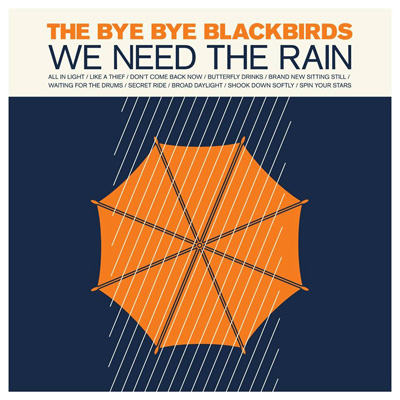
  • #25 album of 2013 – We Need the Rain by the Bye Bye Blackbirds

    #25 album of 2013 – We Need the Rain by the Bye Bye Blackbirds

    Artist: Bye Bye Blackbirds

    Album: We Need the Rain

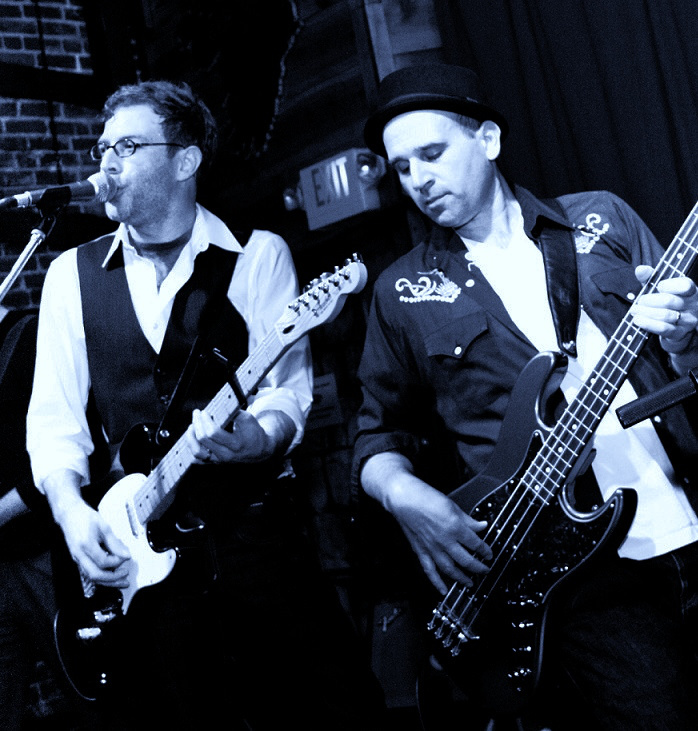
    If I’d run a personal poll of my music-geek friends to name the best album of 2013, I think the winner would have been We Need the Rain, an old-fashionedly tuneful guitar-pop album by the Bye Bye Blackbirds. This comes with a caveat: a large share of my voters would have Bye Bye Blackbirds - We Need the Rainbeen personal friends of Blackbirds singer/songwriter Bradley Skaught (with whom I’m a friendly online acquaintance). But it also represents something real: Skaught has made at least four albums prior to this, and it’s We Need the Rain in specific that I’ve seen capture listener enthusiasm in such a major way. Its songwriting fits a clear musical tradition — emphatic male tenor/alto vocal melodies, guitar riffs, vocal harmonies, simply propulsive drumming, interesting chord changes, everything built for sing-along catchiness — that used to be highly commercial (Buddy Holly, Rubber Soul) and then kept existing long after it wasn’t anymore (the Rubinoos, the dB’s, Marshall Crenshaw, Adam Schmitt, Richard X Heyman). Its performance, unlike with Skaught’s previous band lineups, is a louder, chunkier rock take on these sounds, with some new country-rock leanings as well, as if Neil Young or the Old 97s had ever tried to pass as British Invasion bands.

    Because there’s so many records like this, what makes one stand out can boil down to collections of little details. All in Light cuts the guitars and vocals in and out to leave plenty of emphasis on a syncopated tambourine-and-drumbeat built for sports arenas. Like a Thief spreads out to accommodate several different very good guitar solos, gang-harmonized call-and-response chorus vocals, classic-rock organ, and various key changes, but is pushed along by 5 minutes of gloriously persistent quarter-note drum stomping. Don’t Come Back Now‘s legato vocal melodies trace the quarter note beats with unusual precision, and the guitars flip from mildly sinister to rousing when the lyrics flip from bad romance (“Fathoms deep but still we walk the plank again”) to a determination to move on and be alone. Butterfly Drinks puts a blues-rock swagger to its pop harmonies, pumping up its realistic seduction lines “Meet me where the light looks better on me, I’ll meet you where the light looks better on you./ Just a few drinks for the nerves, and just a few drinks for the road”.

    Brand New Sitting Still — co-written with Paula Carino (a wise-ass tunesmith whose 2002 album Aquacade is We Need the Rain‘s major competition for “most widely loved album made in my friendship circle”) — is pretty and restrained, with Christmas-y percussion, but shows Bye Bye Blackbirdsoff with quietly impressive guitar soloing and an extreme number of chord changes. Waiting for the Drums genuinely sounds like a re-mastered early Beatles track — not counting the quick rock-god drum solo — right as they were moving on from “She loves you and you know that can’t be bad”, to lyrics more like Skaught’s “Two sad eyes soaking up a desert/ Look around, nothing’s getting better./ Listen to the verse, waiting for the drums/ Aching in your heart, playing like your numb./ But now that you find you’re in love/ will you surprise me?” Arena-rocker Broad Daylight rings out forcefully, but with heavy syncopation and plenty of space.

    Then there’s 6-minute album closer Spin Your Stars, co-written with lazy, abusive comic-strip cat Garfield (whose full name turns out to be Lindsay Paige Garfield). It leaves us with a mastery of classic-rock slow-burn drama — I’m thinking of current band Black Mountain, but you can imagine a heavier, de-countrified Hotel California or one of Neil Young’s unfolding desert rockers — building to the plea “Call and change me/ call and save me/ call and change me/ leave this world behind”. Which would be an intense relief to Jon and Odie.

    We Need the Rain exists partly to bring vibrant melodies and vocal harmonies to exactly the kinds of guitar-rock where it’s expected, and then again, partly to other kinds of rock where it isn’t. It’s by a California guy I spent a very pleasant afternoon with once, fifteen years ago, a guy who liked me before I had any social skills, and that probably made me pay closer attention than otherwise. What I heard when I did so was all up to the band.

    – Brian Block

    To see the rest of our favorites, visit our Favorite Albums of 2013 page!